What's That In Space?

Artemis II
First Crewed
Lunar Flyby
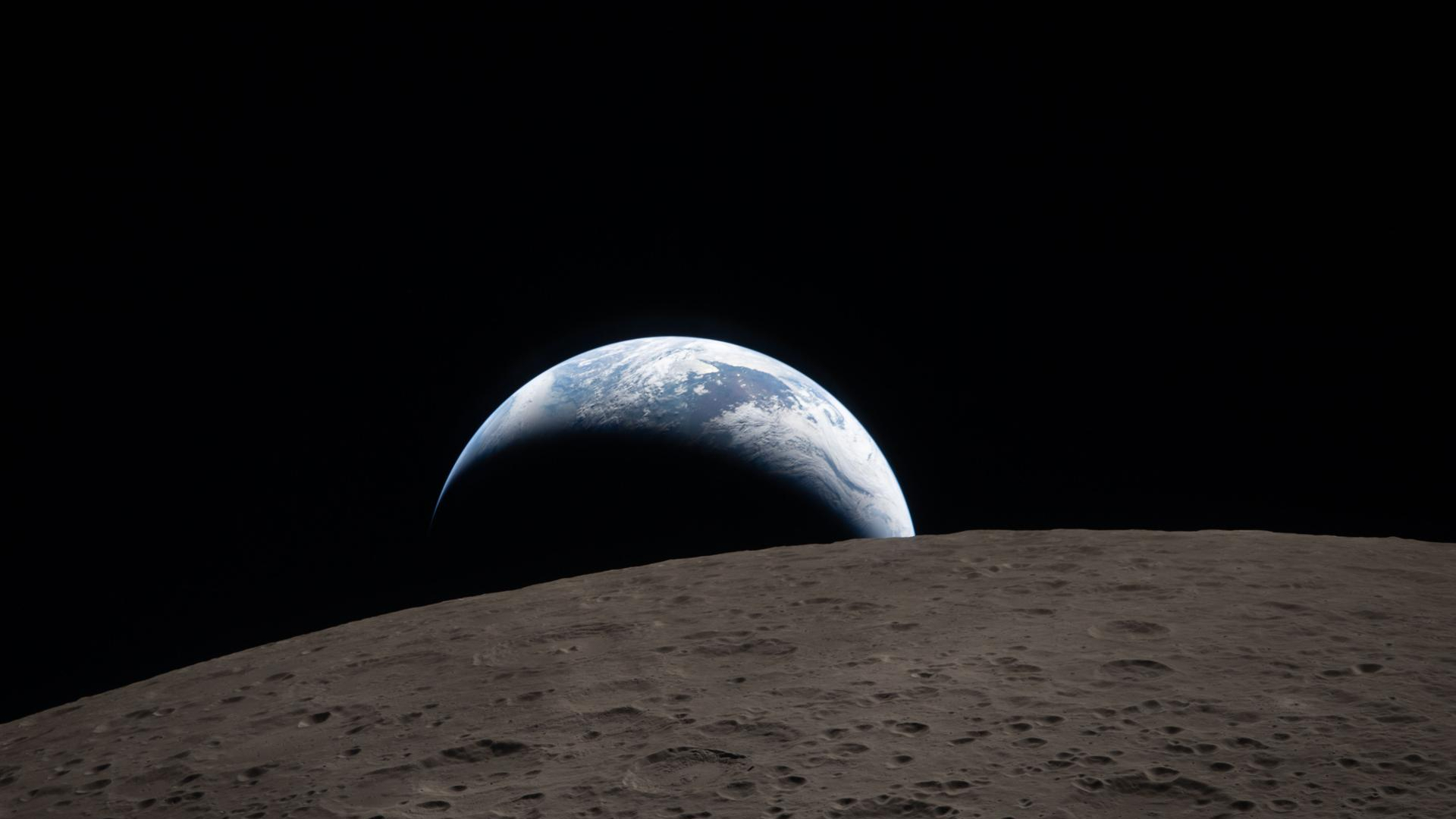
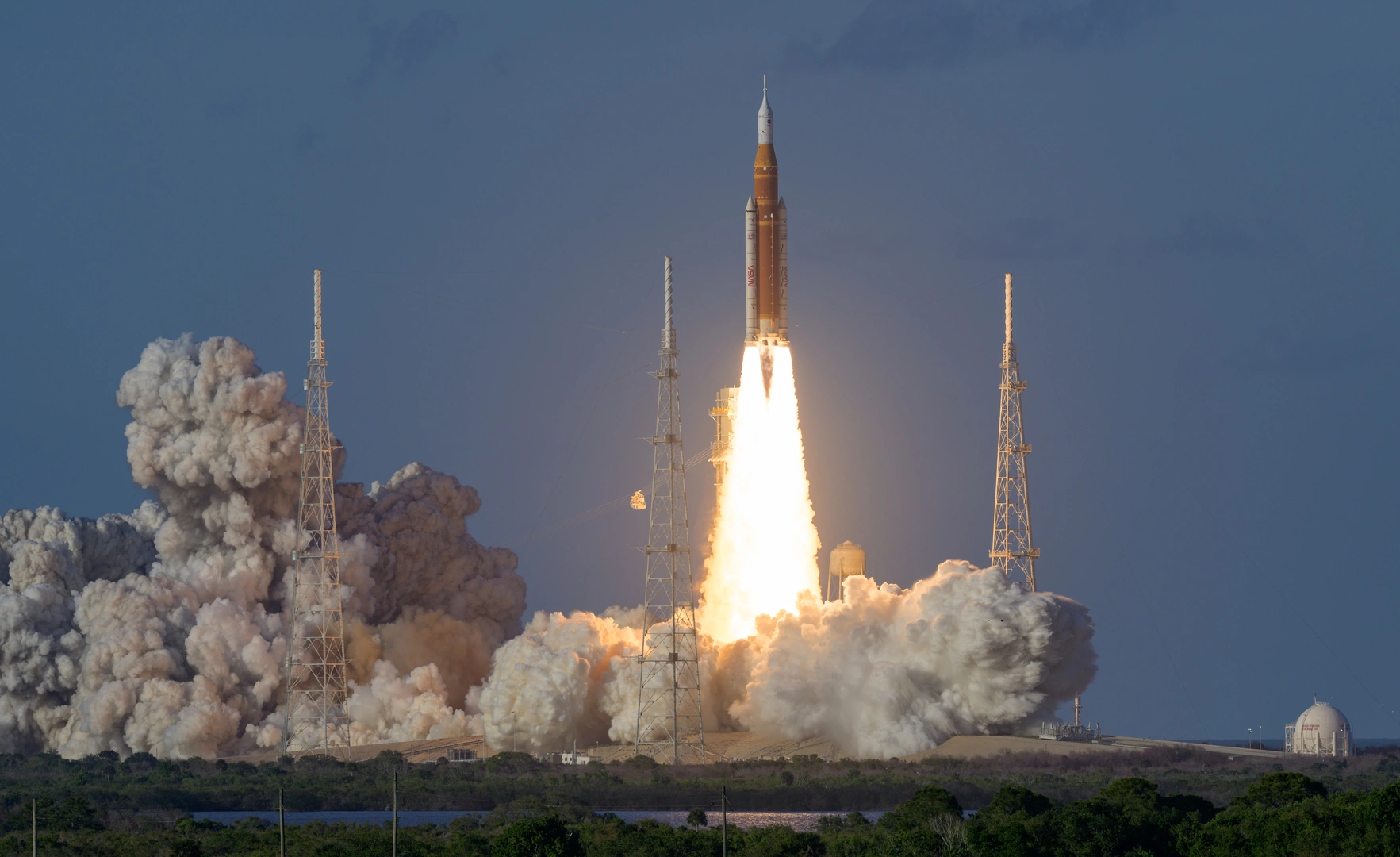
NASA's first crewed lunar flyby in over 50 years. Artemis II is the first crewed test flight of the SLS rocket and Orion spacecraft, sending four astronauts around the Moon on an approximately 10-day mission, a key step toward a long-term return to the lunar surface and future crewed missions to Mars.
Distance to the Moon
Mission Duration
Astronauts Aboard
Since Last Lunar Crew
The Program
Return to the Moon
From proving the technology to building a permanent lunar presence, each Artemis mission is a stepping stone toward Mars.
Proving the System
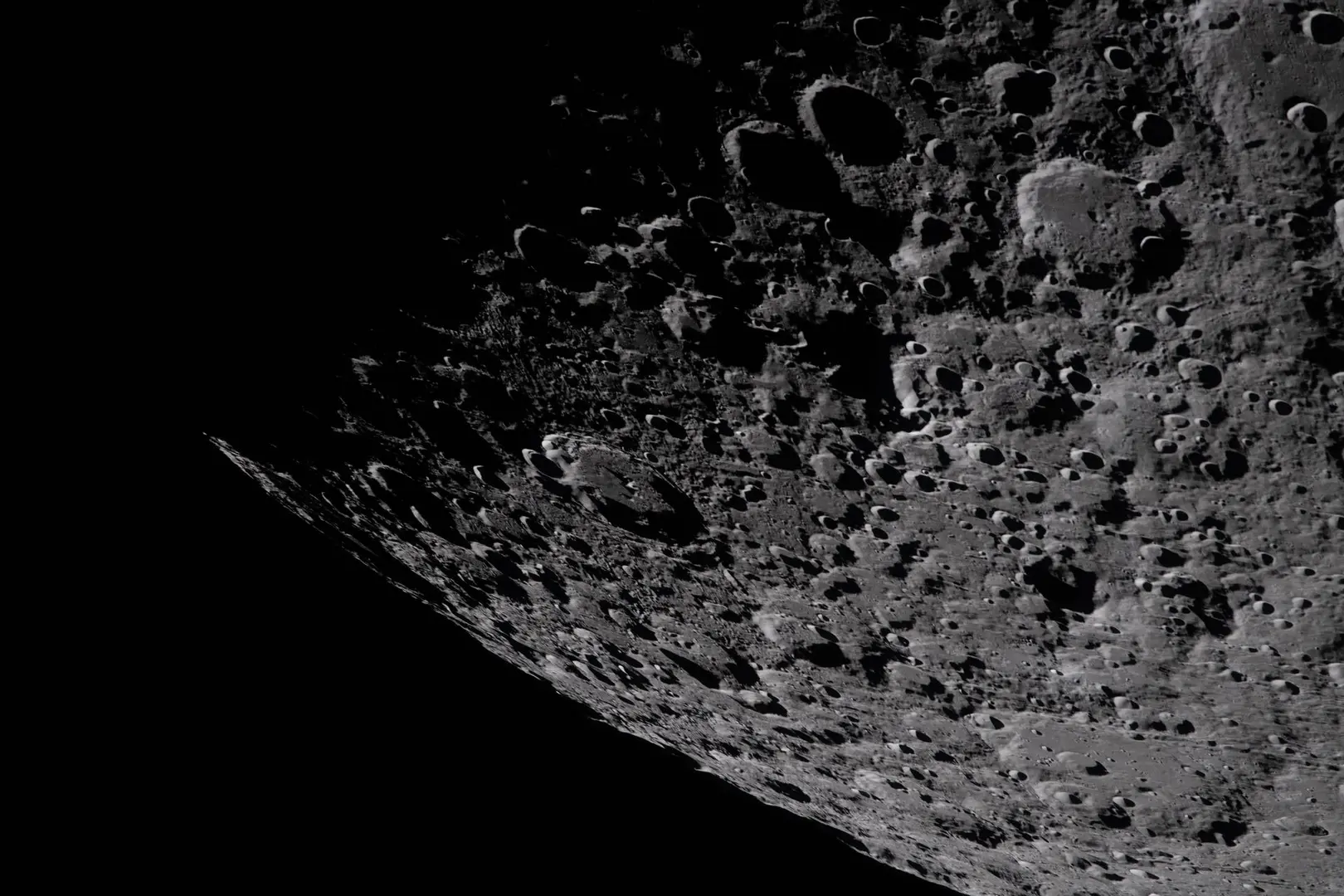
Artemis I
November 2022 | Uncrewed
First full test of SLS and Orion. Travelled 2.25M km over 25.5 days, orbiting 130 km above the Moon and venturing 64,373 km beyond it into deep space. Validated heat shield, navigation, and deep-space systems.
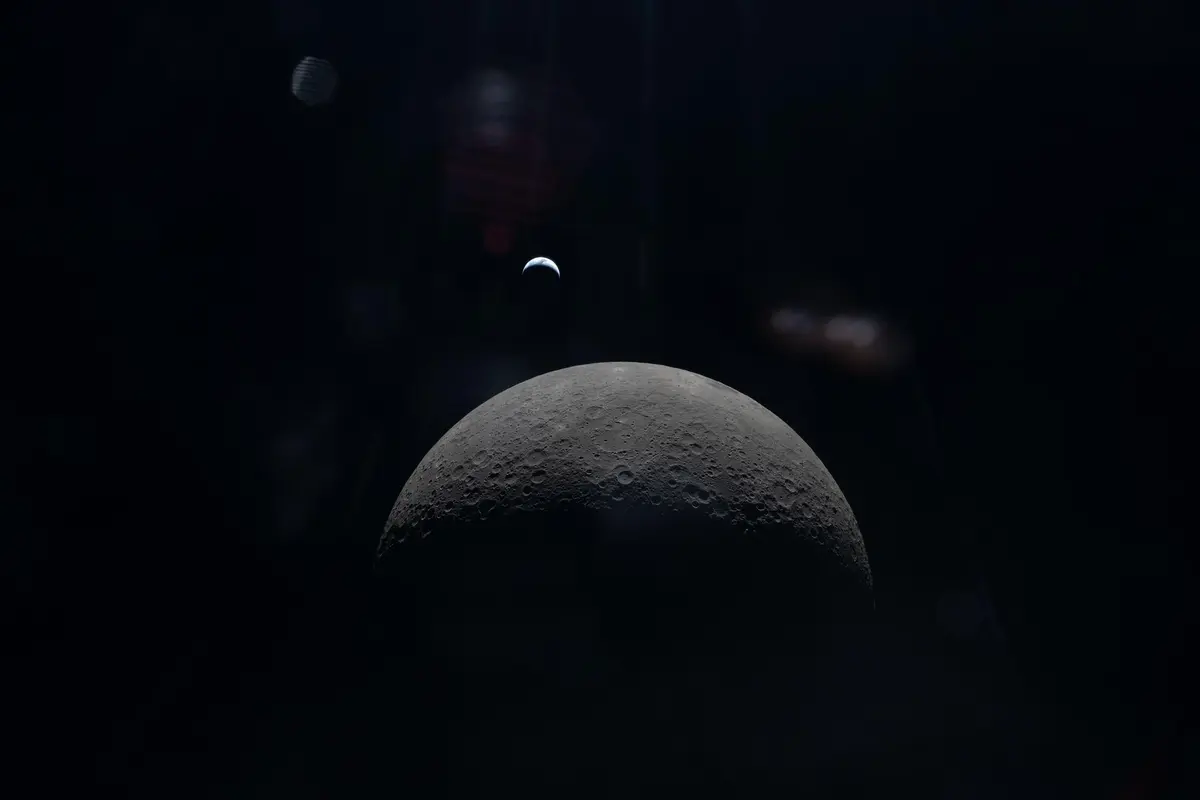
Artemis II
April 2026 | 4 Crew
First crewed lunar flyby since Apollo 17 (1972). Testing life support, manual control, and radiation environment in deep space. Free-return trajectory reaching 413,146 km from Earth, surpassing Apollo 13's record.
Artemis III
~2027 | Lander Test
First integration of Orion with a commercial Human Landing System (SpaceX Starship or Blue Origin). Tests rendezvous, docking, and lander operations. Originally the first landing mission, now focused on validating landing architecture.
Building Lunar Infrastructure
Artemis IV
~2028First mission to the Lunar Gateway, a small space station orbiting the Moon. Delivers habitat modules and enables the first sustained crewed lunar landing. Some crew stay in Gateway orbit while others descend to the surface for ~30-day missions.
Artemis V
Late 2028+Expands long-term operations with advanced landers, rovers, and surface systems. Longer surface stays enable deeper scientific exploration, including searches for water ice at the lunar south pole. Regular crew rotations begin.
Permanent Lunar Presence
Artemis VI and Beyond
2030sRegular missions to rotate crews, expand the Lunar Gateway, and build a permanent lunar base. Scientific research, resource extraction (water ice for fuel and life support), and testing technologies needed for the ultimate goal: sending humans to Mars. The Moon becomes a stepping stone to the rest of the solar system.
Base
Permanent habitat
ISRU
Resource extraction
Mars
Prep for deep space
Crew
Regular rotations
The Crew
Artemis II Astronauts
Four astronauts chosen to fly humanity's return to the Moon: veterans of combat, spacewalks, record-breaking missions, and international collaboration.
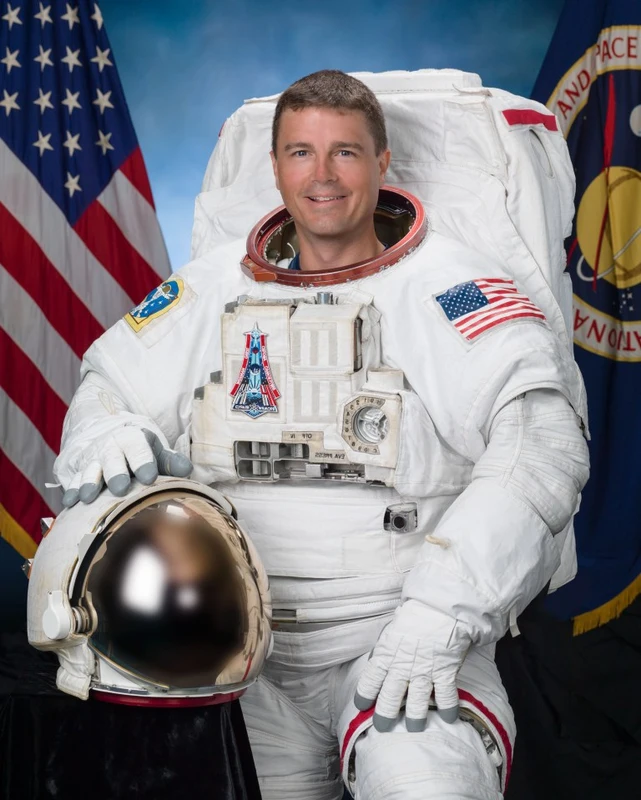

Reid Wiseman
Commander
U.S. Navy Captain and veteran of Expedition 40/41, with 165 days in space and nearly 13 hours of spacewalk time. Former Chief of the Astronaut Office.
Fun Fact
The Artemis II crew proposed naming a lunar crater after Reid's late wife Carroll, continuing an Apollo-era tradition of honouring loved ones on the Moon.
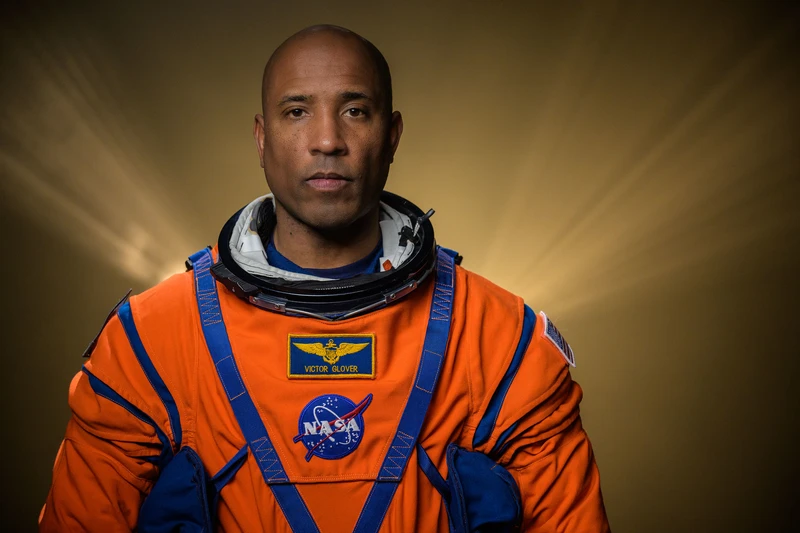
Victor Glover
Pilot
Naval aviator with 3,000+ flight hours across 40 aircraft and 24 combat missions. Piloted SpaceX Crew-1, spending 168 days on the ISS with four spacewalks.
Fun Fact
Victor's daughter's dance tribute video went viral with over 21 million views during the Artemis II mission, making her the breakout star of the flight.
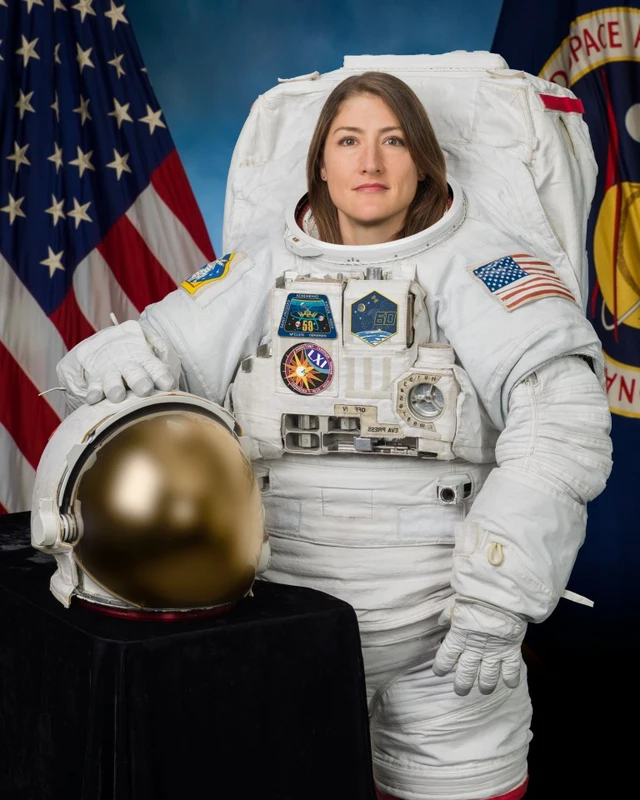
Christina Koch
Mission Specialist
Holds the record for the longest single spaceflight by a woman at 328 consecutive days. Completed six spacewalks including the first three all-female EVAs.
Fun Fact
Before becoming an astronaut, Christina spent a full winter at the South Pole and worked at remote stations in Antarctica, Greenland, Alaska, and American Samoa.
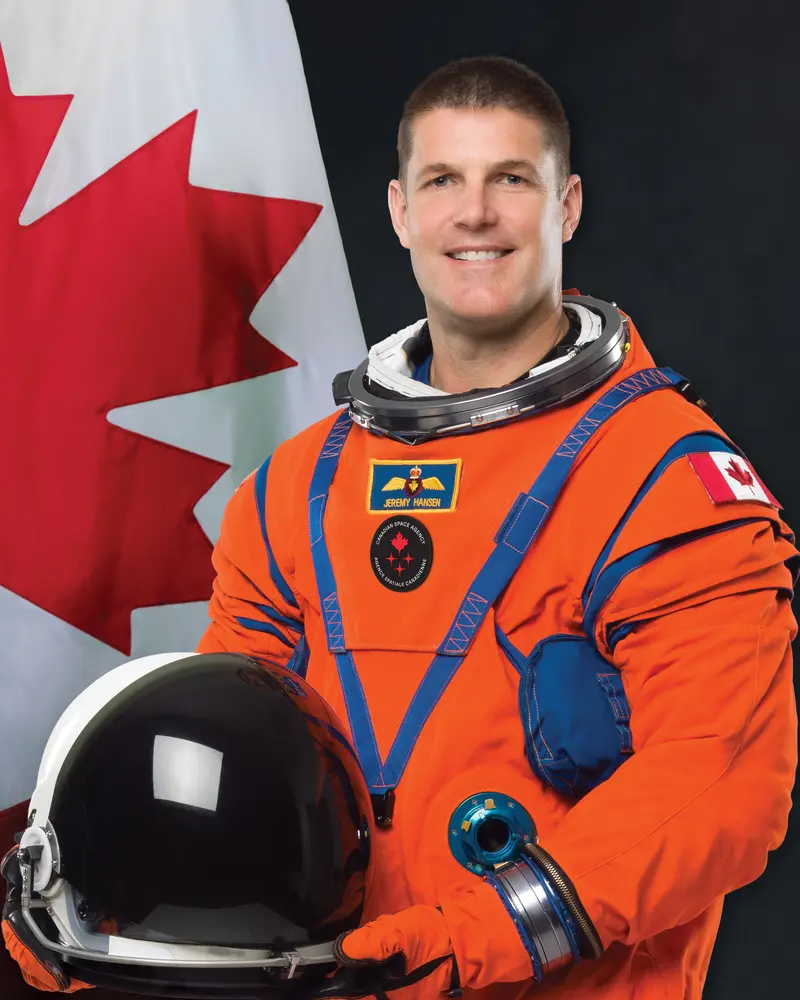

Jeremy Hansen
Mission Specialist
Colonel in the Canadian Armed Forces and CF-18 fighter pilot. First Canadian to travel beyond low Earth orbit. Led a NASA astronaut training class, the first Canadian to do so.
Fun Fact
Jeremy grew up on a farm near Ailsa Craig, Ontario. He went from tending crops in rural Canada to flying CF-18s and now orbiting the Moon.
Interactive
Flight Path
Explore the Artemis II free-return trajectory in 3D. See how lunar gravity slings Orion around the Moon and back to Earth with no fuel needed for the return trip.
Gallery
Mission in Photos
Images from NASA's Artemis II mission: from launch at Kennedy Space Center to the lunar flyby and the journey home.
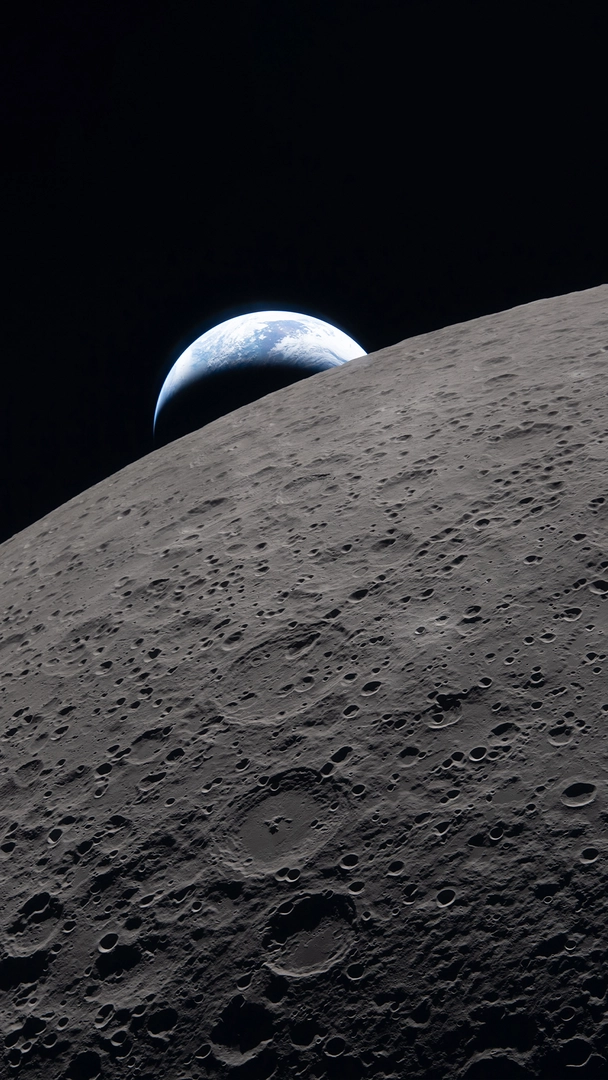
Beyond the Far Side
Orion travelled farther than any spacecraft built for humans has ever flown, passing behind the Moon before returning safely to Earth.
Heritage
Built on Decades of Discovery
From the International Space Station to deep space, each mission builds on the knowledge of those before it. Artemis carries forward this legacy with next-generation technology and an unwavering commitment to exploration.
Join the Journey
The next era of space exploration begins now. Stay connected with the Artemis program and be part of something greater than ourselves.